Introduction to the IL&FS Governance Failure
In the history of Indian business, few events have shaken the country like the IL&FS Governance Failure. Before September 2018, Infrastructure Leasing & Financial Services (IL&FS) was a giant. Specifically, it was the "invisible hand" building India’s tunnels, highways, and power grids. The company held a debt of ₹91,000 Crore. Moreover, it was considered "Too Big to Fail." It held the highest credit rating (AAA) for years. Its shareholders included sovereign giants like LIC and SBI. Furthermore, its Board of Directors was legendary. However, the IL&FS Governance Failure proved that reputation is not solvency. In late 2018, this giant defaulted. Consequently, it triggered a liquidity crisis that froze India’s NBFC sector. This was India's "Lehman Moment."
The Structural Labyrinth: Creating Complexity to Hide Risk
To understand the IL&FS Governance Failure, you must first look at the company structure. IL&FS was not a single company. Instead, it was a maze designed to hide reality.
The 347-Entity Web and the Governance Failure
At the time of the collapse, the IL&FS Group had 347 subsidiaries. This complex structure was not accidental. In fact, it was a key enabler of the fraud.
- Layering: The group had multiple layers. Money raised at the top was routed down to "Special Purpose Vehicles" (SPVs).
- Opacity: As a result, it was nearly impossible for any auditor to see the full picture. A loss in a small subsidiary could be hidden from the main Board.
- Circuitous Transactions: The SFIO investigation found that money was "round-tripped." For example, IL&FS Financial Services would lend money to a contractor. Then, the contractor would use that money to pay off an old loan to another IL&FS entity.
The Core of the IL&FS Governance Failure: Asset-Liability Mismatch
One financial term defines the IL&FS Governance Failure. That term is Asset-Liability Mismatch (ALM). This was the strategic mistake that killed the company.
How the Mismatch Worked
IL&FS built infrastructure. By definition, infrastructure is a long-term game.
- The Assets (Long-Term): Roads and tunnels take 10–15 years to generate a return. These are illiquid assets.
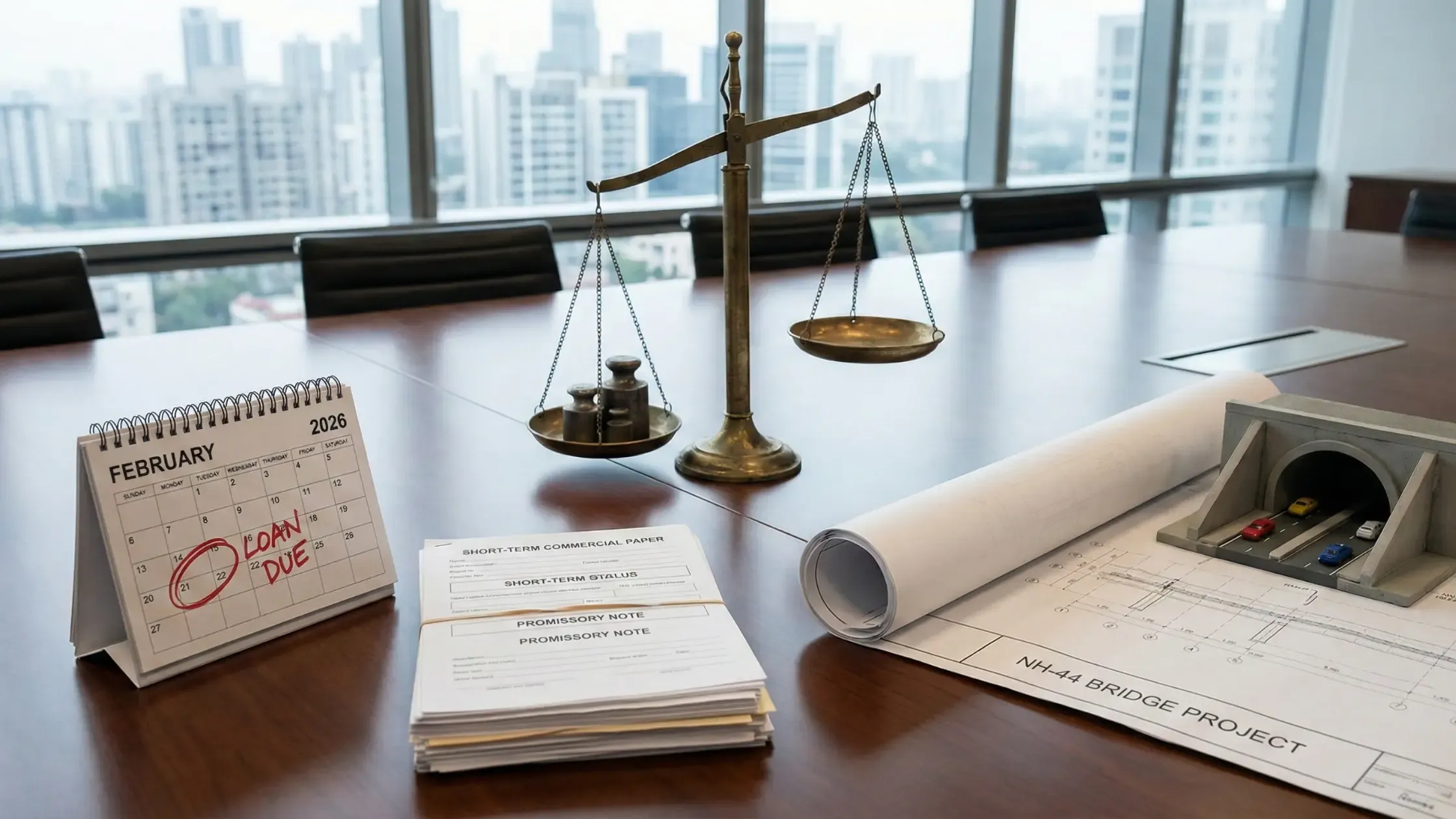
- The Liabilities (Short-Term): To fund these projects, IL&FS did not take 15-year loans. Instead, they used short-term instruments like Commercial Papers (CPs). These had to be repaid in 8 to 12 months.
Why This Led to the Governance Failure
Short-term borrowing is cheaper. Therefore, IL&FS inflated its "Net Interest Margin" (Profit). The Board bet that they could always "roll over" the debt. However, this strategy works only when the market is liquid. As noted in the RBI Financial Stability Report, the credit market tightened. Consequently, the music stopped. IL&FS had assets but zero cash.
The Board's Role in the IL&FS Governance Failure
The tragedy is that the company had all the necessary committees. Yet, they all failed. To understand proper committee roles, read our guide on Corporate Governance Structures.
Risk Management and the IL&FS Governance Failure
The Risk Management Committee (RMC) is critical. However, investigations revealed a shocking lapse.
- The Lapse: Between 2015 and 2018, the RMC met infrequently. In some years, it met only once.
- The Blindness: Furthermore, they focused on "Credit Risk." They ignored "Liquidity Risk."
The Myth of Director Independence
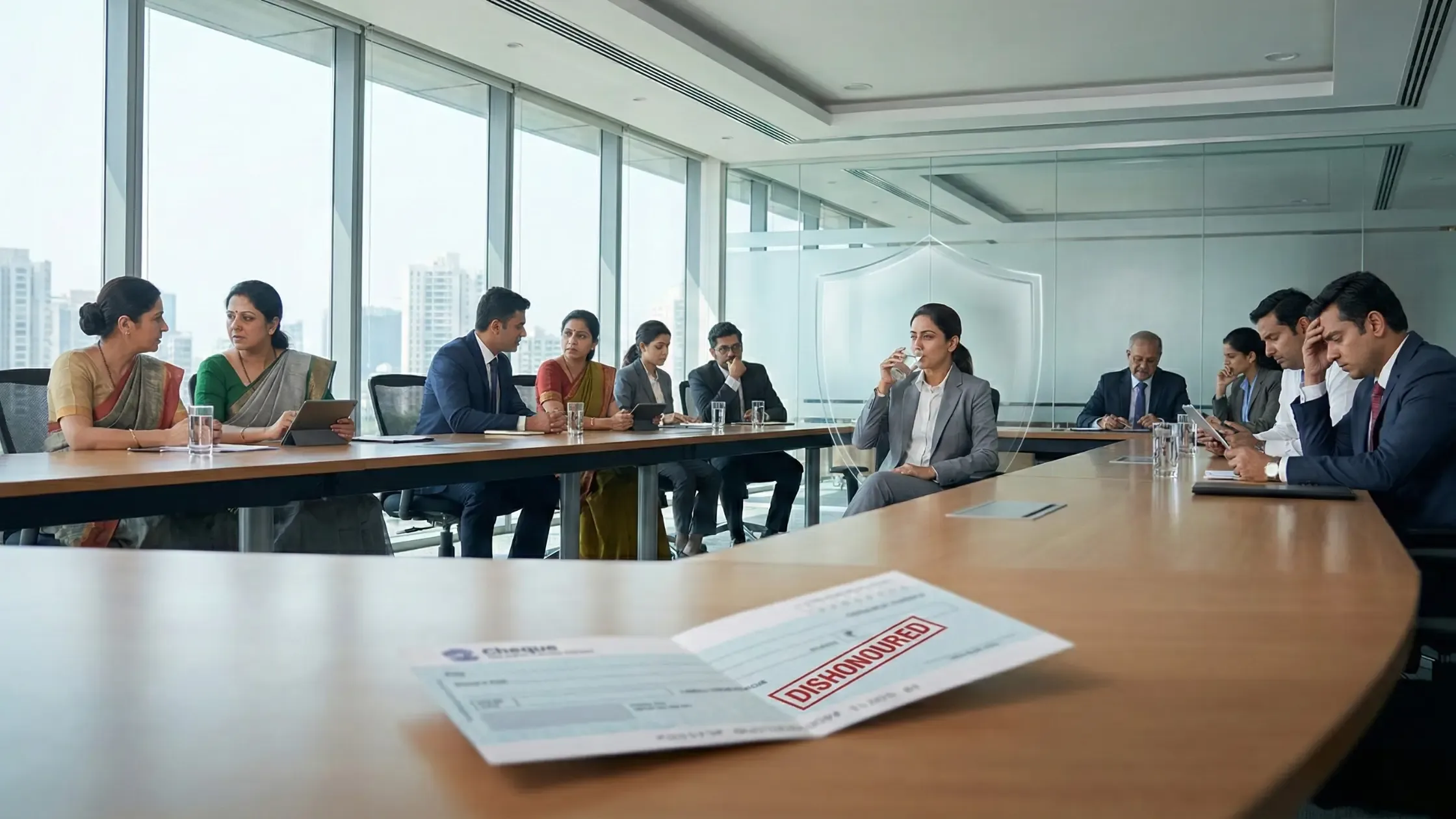
The Independent Directors were experts. Nevertheless, they fell into a trap.
- The "Comfort" Trap: They trusted the "AAA" rating. Additionally, they trusted the sovereign owners (LIC/SBI).
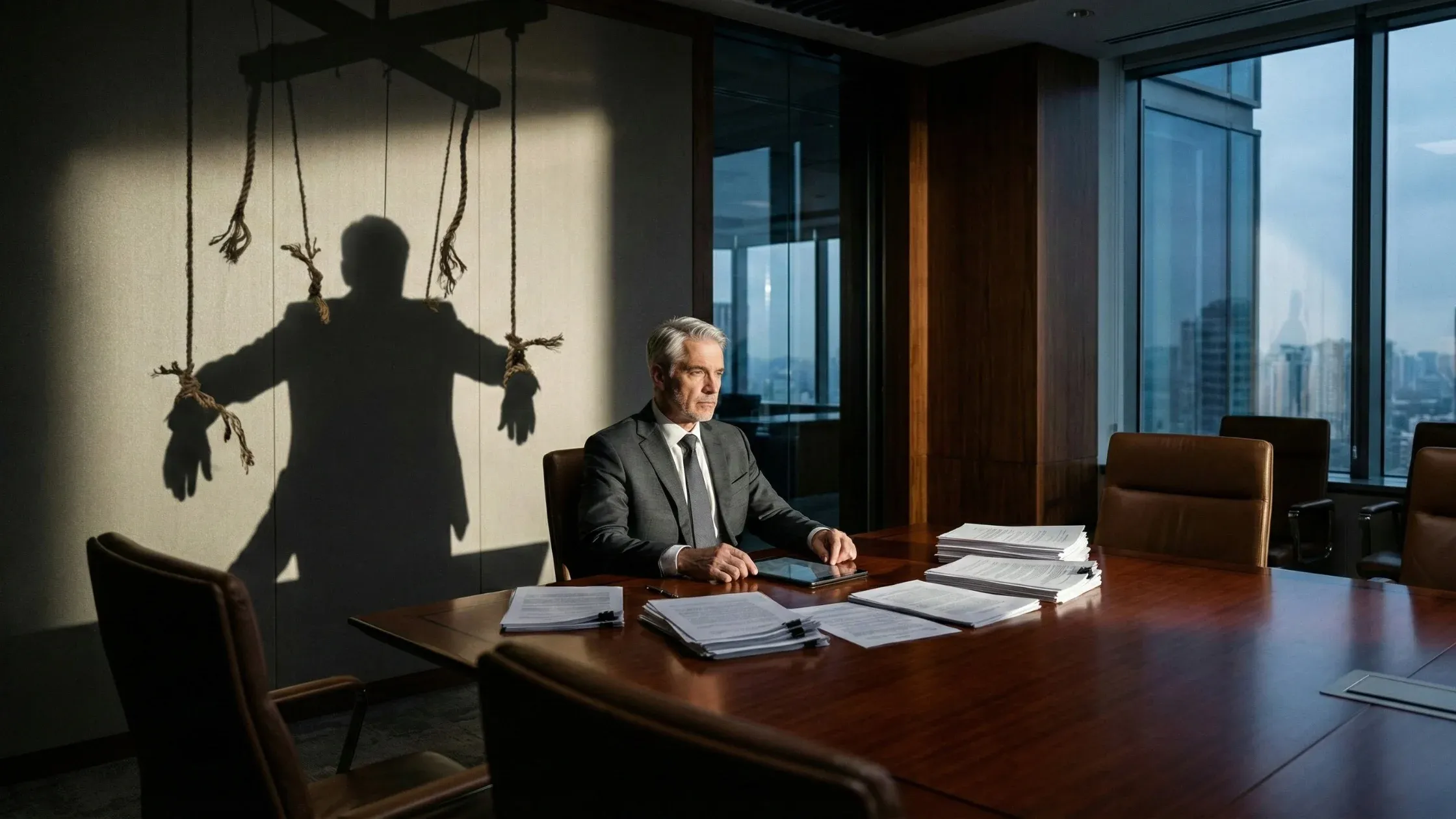
- The Lack of Skepticism: Minutes show no tough questions. For instance, when management showed profits from round-tripped funds, the Board approved them.
, directors face personal risk. Read our analysis on Independent Director Liability.
External Gatekeepers and the IL&FS Governance Failure
A Governance Failure requires silent watchdogs. The collapse exposed deep flaws in the ecosystem.
Credit Rating Agencies
Until August 2018, rating agencies gave IL&FS a "AAA" rating. However, this was a lagging indicator.
- The Failure: Agencies relied on old data. Moreover, they rated the "parentage" (government backing), not the "balance sheet."
Auditors and the IL&FS Governance Failure
The auditors (Deloitte and BSR) faced heavy criticism.
- The Charge: The SFIO accused them of hiding the truth. Specifically, they overlooked the "evergreening" of loans.
- The Conflict: In addition, the auditors earned huge fees from consulting services. This created a conflict of interest.
Timeline of the IL&FS Governance Failure
The collapse happened quickly in 2018.
- June 2018: IL&FS defaults on deposits. However, the news is managed.
- August 2018: Ratings finally drop.
- September 4, 2018: IL&FS defaults on a ₹1,000 Crore loan.
- October 1, 2018: The Government takes over the Board. A new board led by Uday Kotak is appointed.
Aftermath: The Resolution Framework
The new board had to fix the mess. According to the NCLT Resolution Plan, they grouped companies into three buckets:
- Green Entities: Solvents companies.
- Amber Entities: Partially solvent companies.
- Red Entities: Insolvent companies.
Lessons from the IL&FS Governance Failure
This crisis is a lesson for 2026.
Lesson 1: Demand Visibility
Directors cannot look at the Holding Company alone. Instead, they must see the subsidiaries. The Action: Demand a "Consolidated Risk Dashboard." This would have prevented the IL&FS Governance Failure.
Lesson 2: Cash vs. Profit
IL&FS was "profitable" on paper. However, it had no cash. The Action: Scrutinize the Cash Flow Statement. Do not just approve the P&L.
Lesson 3: Questioning "AAA" Ratings
"AAA" creates false security. Therefore, do not trust it blindly. The Action: Treat ratings as secondary. Instead, run your own stress tests.
Conclusion on the IL&FS Governance Failure
The IL&FS Governance Failure cost India ₹91,000 Crore. But the bigger cost was the loss of trust. The crisis proved that governance is not just compliance. Rather, it is the courage to ask questions. The "Golden Board" failed because they were silent. In conclusion, to avoid another failure, directors must speak up.