Introduction
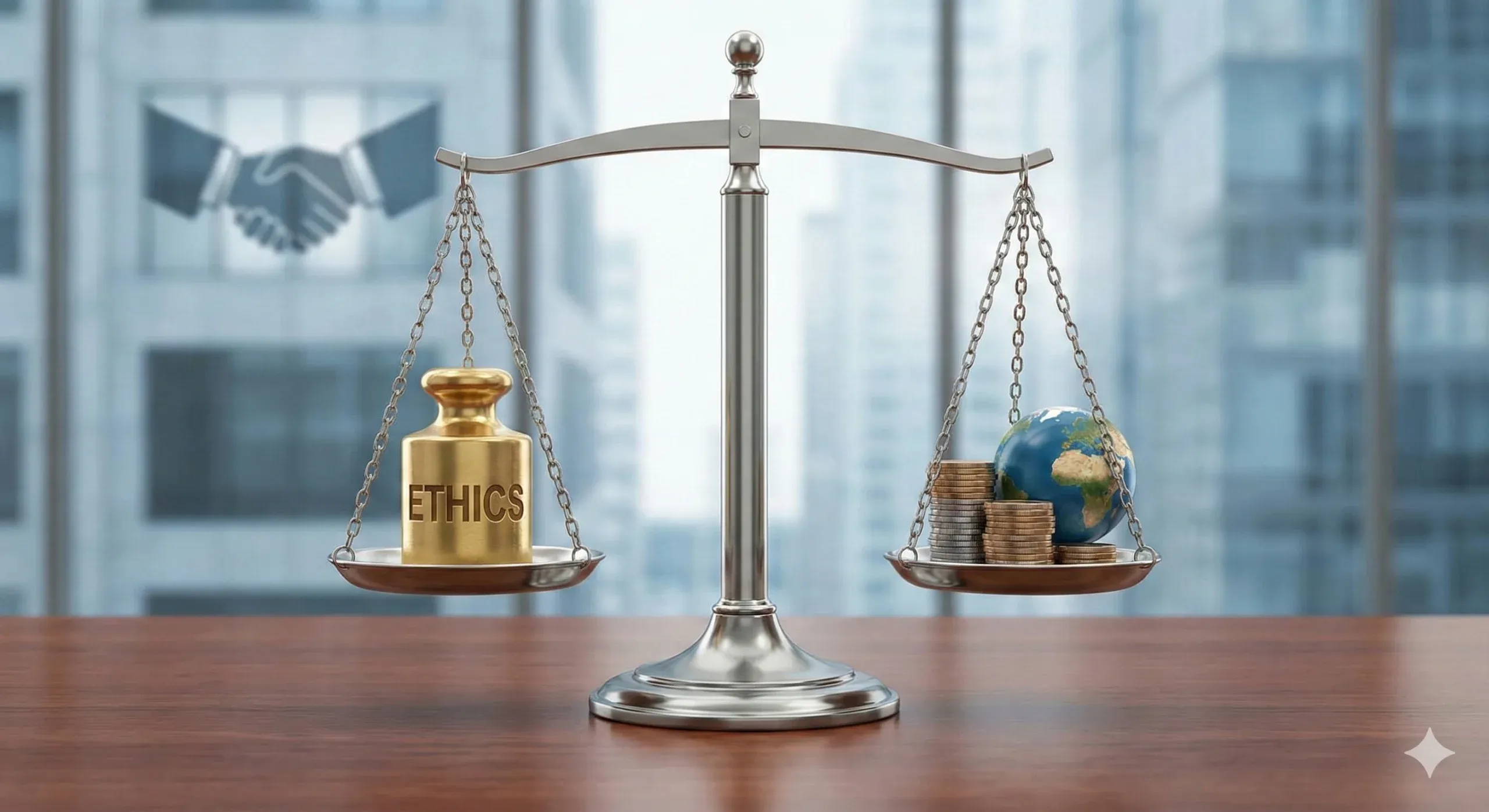
In the modern marketplace, profit is no longer the only metric of success. Specifically, customers, investors, and employees now expect companies to operate with absolute integrity. Therefore, ethical behaviour in business has shifted from a "nice-to-have" quality to a fundamental requirement for survival. But what does this actually look like in practice? Simply put, it means doing the right thing, even when no one is watching. Furthermore, it involves transparency, fairness, and a commitment to stakeholders beyond just the shareholders. Without a strong moral compass, organisations risk financial ruin and reputational collapse.
Below, we explore why maintaining high ethical standards is the smartest investment a company can make, supported by real-world examples.
The Foundation of Consumer Trust
First and foremost, trust is the currency of the digital age. Without it, you cannot sustain a loyal customer base. According to the Edelman Trust Barometer, 81% of consumers state that they must trust a brand to do what is right before they will buy from them.
Consequently, when a company demonstrates ethical behaviour in business, it builds a reservoir of goodwill. For example, honesty in marketing and transparency in supply chains reassure customers that they are making safe choices. On the other hand, a single scandal can destroy decades of reputation overnight. Thus, ethics is not just a moral choice; rather, it is a protective shield for your brand equity.
Preventing Corporate Governance Crises
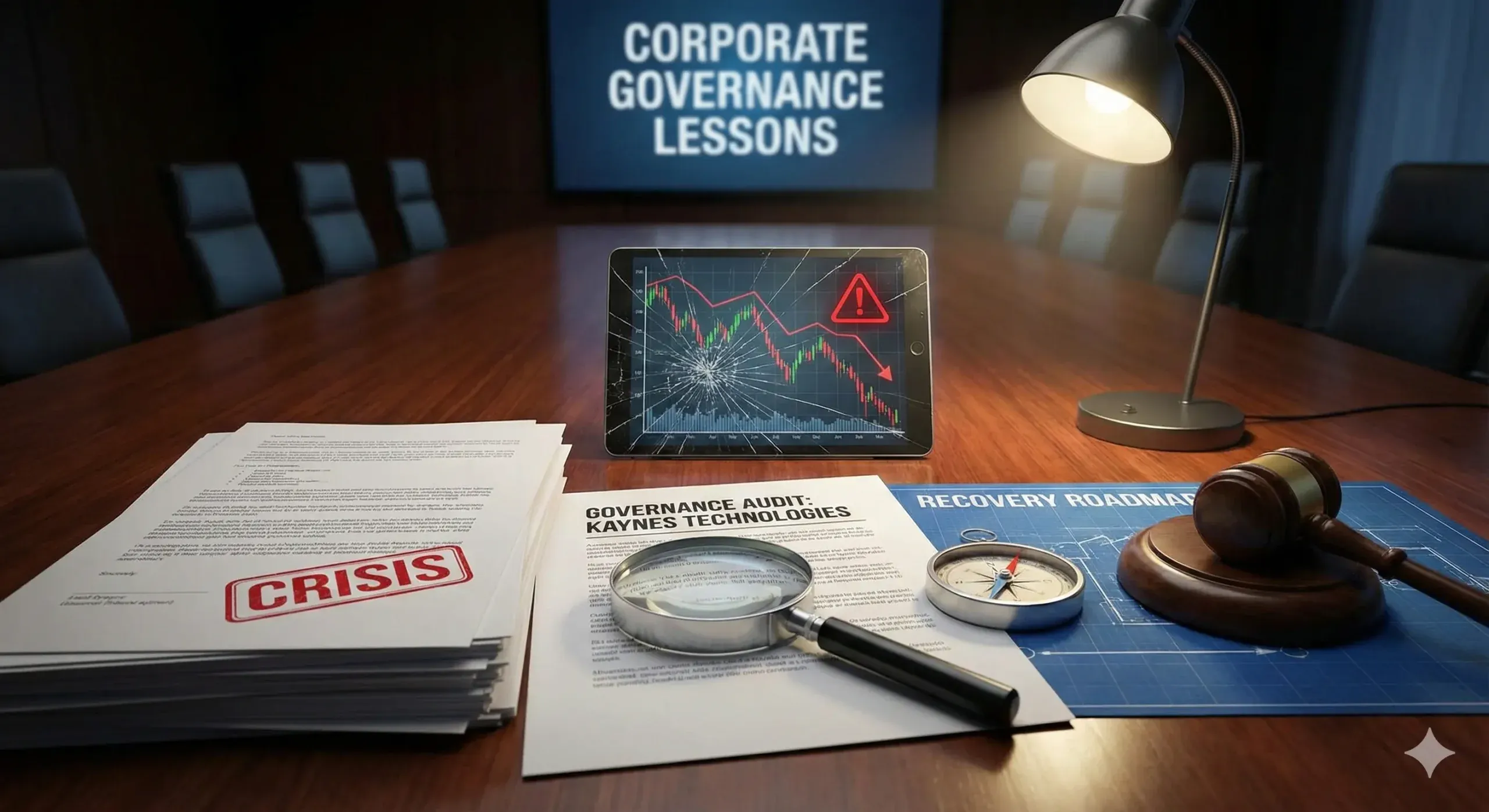
Moreover, ethical behaviour starts in the boardroom. When leaders prioritise short-term gains over transparency, the results are often catastrophic. In fact, opaque financial practices and hidden transactions are clear indicators of a failing ethical culture.
For instance, we recently analysed a major governance failure in the electronics sector. In this specific case, non-disclosure of related-party transactions and aggressive accounting led to a massive drop in investor confidence. To understand the devastating impact of such lapses, you should read our case study on the Kaynes Technologies crisis and corporate governance lessons.
Therefore, establishing rigorous internal controls is not just about bureaucracy; specifically, it is about ensuring that the organisation survives.
Ensuring Workplace Harmony and Safety
In addition to financial integrity, ethical behaviour in business demands that companies treat their employees with dignity. When management ignores the well-being of its workforce, tensions inevitably rise. Unfortunately, history has shown us that neglecting labour relations can lead to tragic outcomes.
A stark reminder of this is the violent unrest that occurred at a major automotive plant in India. This incident highlighted how a breakdown in communication and a lack of empathy can escalate into violence. For a detailed analysis of how poor labour ethics can spiral out of control, you can review the Maruti Suzuki Manesar violence: Anatomy of a corporate tragedy.
Consequently, successful leaders actively foster a culture of respect, safety, and open dialogue to prevent such conflicts.
Aligning with ESG Frameworks
Furthermore, ethical companies understand that they operate within a larger ecosystem. Today, investors heavily scrutinise how an organisation impacts the planet and society. This is where the concept of ESG (Environmental, Social, and Governance) comes into play.
Essentially, ethical behaviour in business is the engine that drives ESG performance. Whether it is reducing carbon footprints or ensuring diversity in hiring, these actions demonstrate a commitment to the future. If you are new to these concepts, we highly recommend reading our guide on what ESG principles are.
By adopting these principles, businesses signal to the market that they are responsible, forward-thinking, and safe investments.
Enhancing Financial Performance
Surprisingly, many leaders still believe that ethics come at the expense of profit. However, data proves the exact opposite. In fact, companies that prioritise ethical standards often outperform their competitors financially.
A study by the Ethisphere Institute found that the "World's Most Ethical Companies" consistently outperform the market index. Why does this happen?
Operational Efficiency: Ethical companies waste less time fighting lawsuits.
Investor Confidence: Investors prefer stable, transparent organisations.
Talent Retention: High-performing employees stay where they feel respected.
For further reading on global standards for business integrity, you can visit the Institute of Business Ethics, which provides extensive resources on maintaining ethical cultures.
Conclusion
In summary, ethical behaviour in business is the backbone of enduring success. By prioritising trust, preventing governance crises, ensuring employee safety, and aligning with ESG goals, companies create value that lasts. Consequently, leaders who embrace integrity do not just sleep better at night; they also build stronger, more profitable businesses. Ultimately, ethics is not an expense—it is your most valuable asset.