Introduction to The Corporate Governance Blueprint
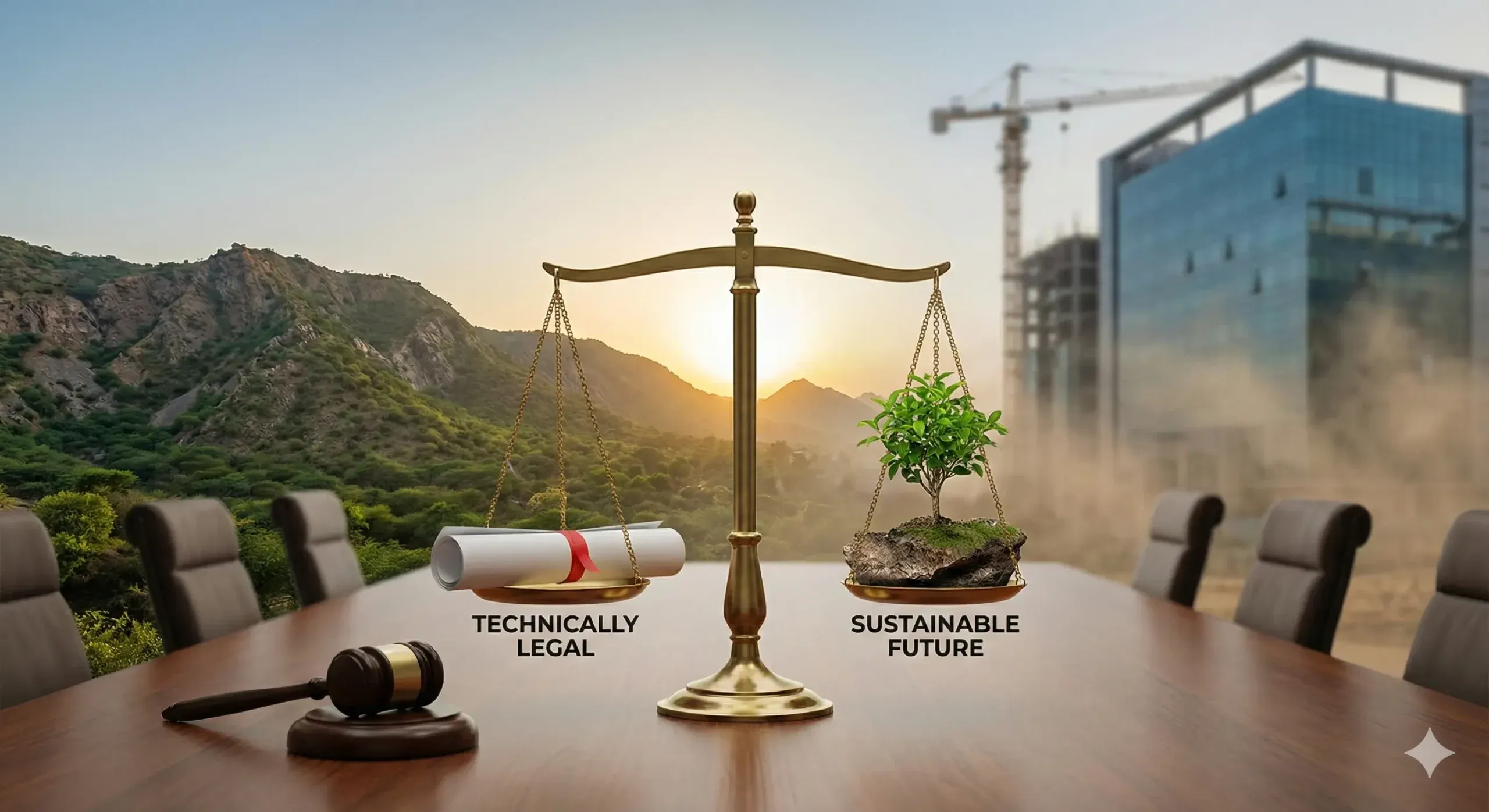
In the high-stakes world of modern business, ambiguity is a silent killer. Organizations that operate without a clearly defined hierarchy often find themselves paralyzed when a crisis hits. To navigate the complexities of the 2026 market, a robust Corporate Governance Blueprint is no longer just a "nice-to-have" document; it is a fundamental survival tool. This blueprint acts as the organizational DNA, dictating how power is distributed and how decisions are audited.
As the legendary investor Warren Buffett famously remarked, "It takes 20 years to build a reputation and five minutes to ruin it. If you think about that, you'll do things differently." By implementing a meticulous Corporate Governance Blueprint, companies ensure they are doing things differently—protecting their reputation through transparency and structured accountability.
A Corporate Governance Blueprint serves as the definitive map for organizational behavior. Without it, the lines between oversight and execution become blurred, leading to "managerial overreach" or "board passivity." Consequently, internal friction arises, slowing down strategic pivots and making the company vulnerable to external shocks.
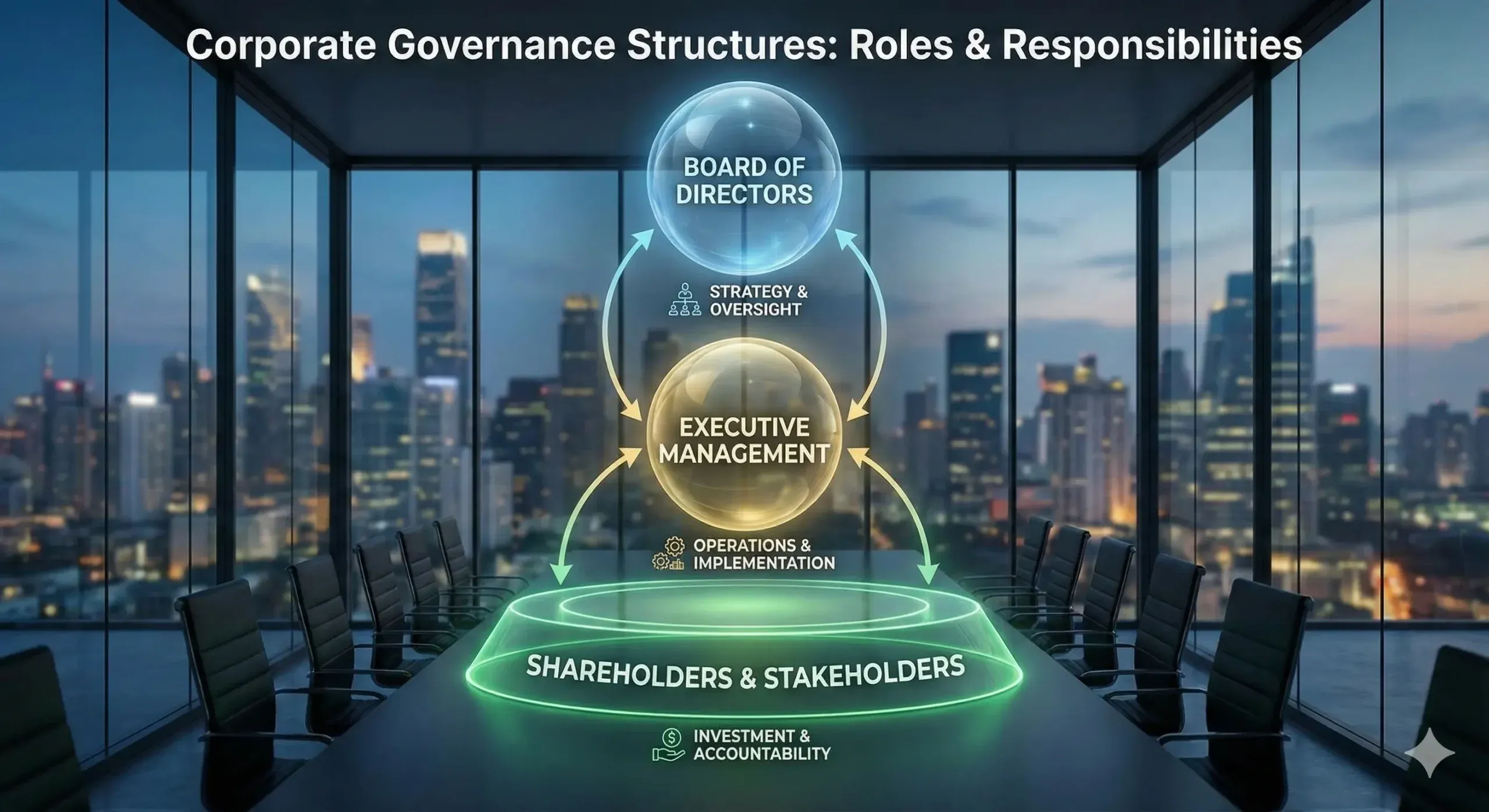
From an SEO and investor relations perspective, a transparent Corporate Governance Blueprint signals to the market that the company is managed with long-term foresight. It transforms the concept of governance from a dry legal requirement into a dynamic competitive advantage that attracts high-quality capital and talent. In any effective Corporate Governance Blueprint, the Board of Directors functions as the ultimate guardian of the company's purpose. Their role is one of "eyes in, hands out." They must oversee every strategic move without micromanaging the daily tasks of the staff. Peter Drucker, the father of modern management, provided the perfect definition of this role: "The proper role of the board is not to do, nor merely to advise, but to ensure that the company has a purpose, a direction, a strategy, and the capacity to execute it." If the Board are the architects, then Executive Management are the builders. Within the Corporate Governance Blueprint, the CEO and the C-suite are tasked with turning high-level strategy into tangible market share. They are the engines of the organization, responsible for operationalizing the Board's vision.
Former PepsiCo CEO Indra Nooyi often highlighted the weight of this responsibility: "Leadership is hard to define and good leadership even harder. But if you can get people to follow you to the ends of the earth, you are a great leader." The Corporate Governance Blueprint is incomplete without the "Base of the Pyramid." While Milton Friedman once argued that the only social responsibility of business is to increase its profits, the modern perspective has shifted toward "Stakeholder Capitalism."The Board of Directors: Architects of the Corporate Governance Blueprint
Detailed Responsibilities within the Blueprint:
Executive Management: Building the Corporate Governance Blueprint
Detailed Operational Roles:
Accountability within the Corporate Governance Blueprint
The Role of Oversight: