Introduction
The Indian automotive industry shook on July 18, 2012. The Maruti Suzuki Manesar violence reminds us what happens when industrial relations collapse. Located in Haryana, the Manesar plant produced popular models like the Swift and Dzire. However, high efficiency targets hid deep resentment. This tragedy killed a General Manager, injured nearly 100 people, and caused a costly lockout. Therefore, understanding this event is crucial for anyone studying Corporate Governance and industrial relations in emerging economies.
The Flashpoint of the Maruti Suzuki Manesar Violence
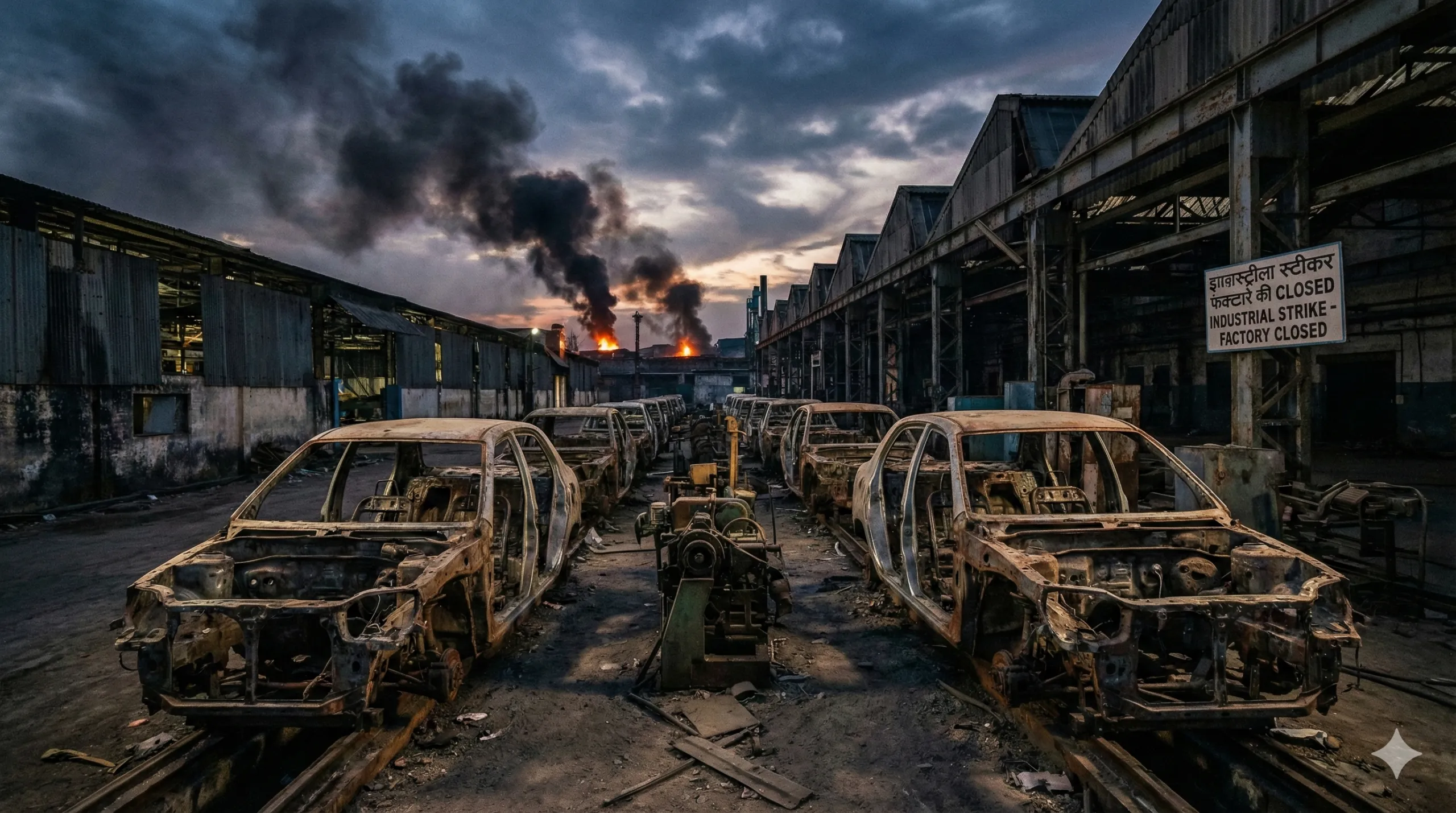
The violence culminated from rising tensions. On that afternoon, a shop-floor worker and a supervisor argued. Management claimed the worker acted insubordinately. In contrast, the union alleged the supervisor used discriminatory language. Consequently, the situation worsened rapidly. By evening, a mob of workers set fire to sections of the plant. Tragically, HR General Manager Awanish Kumar Dev died in the blaze due to asphyxiation. Thus, the horrific nature of the Maruti Suzuki Manesar violence drew global attention to the darker side of India's manufacturing boom.
Root Causes Behind the Maruti Suzuki Manesar Violence
To prevent future disasters, we must analyse the structural flaws. Three main systemic issues drove the violence.
1. The “Wage Apartheid” (Two-Tier System)
First, the "two-tier" system drove conflict. The Manesar plant treated permanent and contract workers differently.
- Wage Disparity: Permanent workers earned between ₹25,000 and ₹40,000. Conversely, contract workers earned only ₹7,000 to ₹10,000 for the same tasks.
- Job Security: Furthermore, contract workers faced constant job insecurity. They lacked a clear path to regularisation.
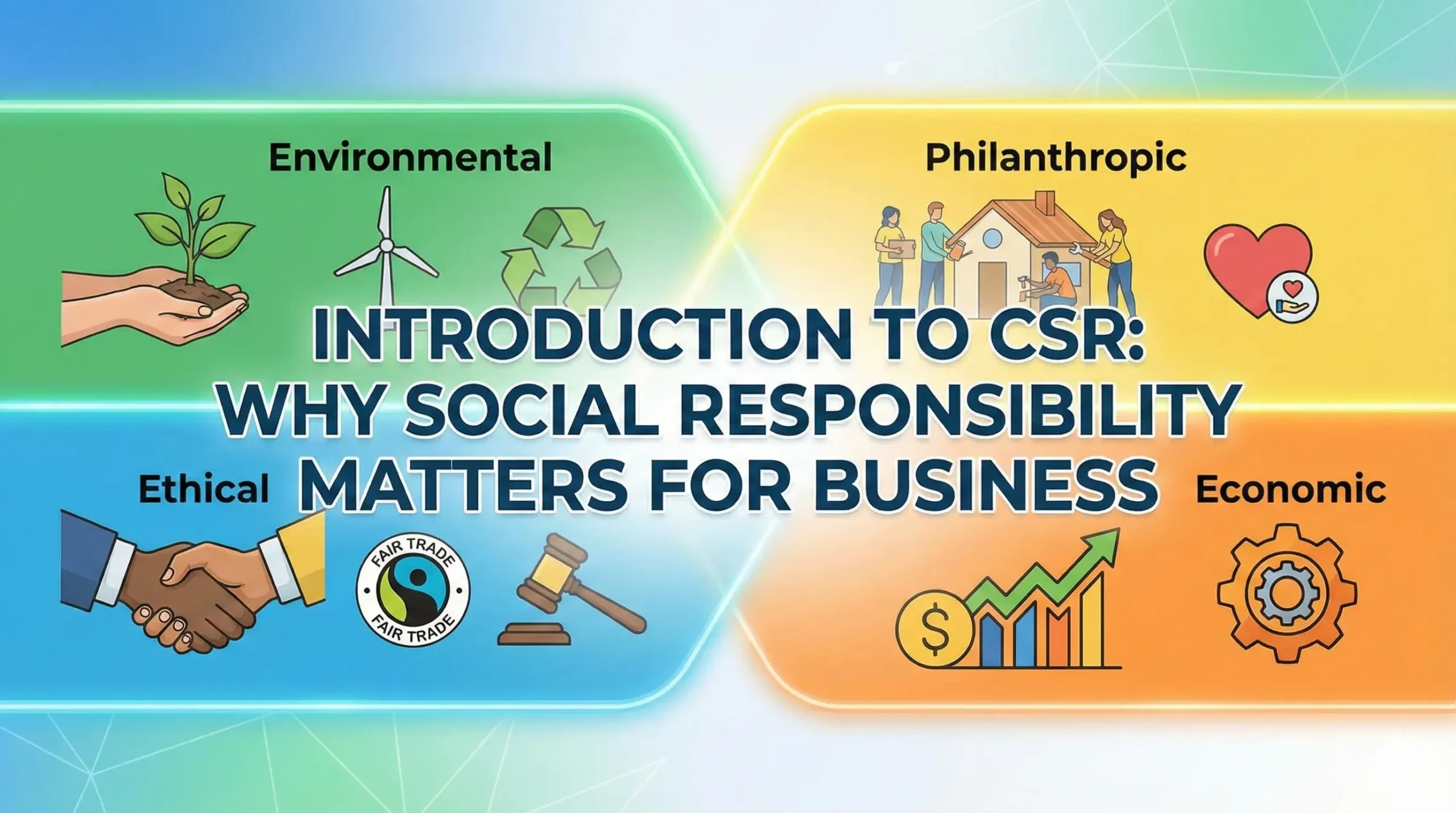
Observers often term this inequality "wage apartheid". It created deep resentment. Moreover, it violates fair labour practices, which are central to effective Corporate Social Responsibility.
2. The Relentless “Japanese Model”
Second, Maruti Suzuki used a strict "Japanese model". It focused on "Just-in-Time" production and extreme efficiency.
- High Pressure: Targets remained relentless. Workers reported they barely had time for bathroom breaks or meals.
- Cultural Mismatch: While this model boosts productivity, workers felt it dehumanised them. The lack of rest pauses increased their physical and mental stress.
Therefore, the "Japanese Model" came at a severe human cost. This pressure fueled the anger that eventually exploded into the Maruti Suzuki Manesar violence.
3. A Trust Deficit
Finally, communication failed long before 2012.
- Union Recognition: In 2011, workers struck for an independent union. Management initially refused and preferred a company-friendly union. This choice created a massive trust deficit.
- Grievance Redressal: Also, grievance mechanisms failed. When management suppressed voices, the shop floor became a powder keg.
The Aftermath: A Legal and Financial Quagmire
Consequences followed immediately. Management declared a "lockout" for weeks. This caused a production loss of over ₹1,400 crore ($280 million). Additionally, police arrested 148 workers. The company faced a reputation nightmare. Investors panicked, and the stock price fell. However, the human cost was higher. Families of the accused faced financial ruin during the legal battle. This period highlighted why we need robust crisis management and ethical leadership.
4 Critical Lessons from the Maruti Suzuki Manesar Violence
The industry must learn from these errors to ensure sustainable growth.
- Eliminate Toxic Wage Gaps: Companies must stop exploitative contract labour practices. Equal pay for equal work ensures industrial peace.
- Humanise Productivity: Efficiency should not hurt human dignity. Workers need realistic targets and adequate breaks.
- Strengthen Dialogue: Open communication is vital. Management must view unions as partners, not enemies.
- Invest in CSR: True Corporate Social Responsibility begins with employee welfare.
Final Verdict
Justice arrived slowly. In March 2017, the court delivered its verdict.
- Convictions: The court sentenced 13 workers, including union leaders, to life imprisonment for murder.
- Acquittals: Crucially, the court acquitted 117 workers after they spent years in jail. The prosecution failed to prove their individual involvement.
The verdict in the Maruti Suzuki Manesar violence case sparks debate. People question the punishment's proportionality and the unaddressed systemic failures. It serves as a stark case study for legal and HR professionals.
Related Analysis
To understand the frameworks that prevent such crises, explore these resources:
- What is Corporate Social Responsibility? Why it is Important for Businesses
- What is Corporate Governance? Fundamentals Explained
- India’s New Labour Code 2025: Key Changes & Benefits.
For external perspectives on labor laws in India, visit the Ministry of Labour & Employment website.