Introduction
When we talk about ESG Compliance in India, the conversation often gets stuck on checklists and filings. But recent events have shown that ticking boxes is no longer enough. I have been closely following the noise around the Aravalli hills. You might have seen it too—the debates about what counts as a "mountain," the Supreme Court rulings, and the fears that mining floodgates would open. But recently, when Union Environment Minister Bhupender Yadav ji stepped in to clarify the situation, he said something that struck a chord with me. He assured everyone that "no new mining leases will be permitted" easily and emphasized that protecting the green cover is non-negotiable. This moment is a huge wake-up call. It isn’t just about a mountain range in Haryana or Rajasthan; it is a lesson for every business owner, Independent Director, and CSR head regarding their ESG Compliance strategy.
Centre will protect entire Aravallis; No Mining Leases; Protected Zone to be Expanded@byadavbjp
— PIB | MoEFCC (@EnvironmentPib) December 24, 2025
📝https://t.co/asWCWOXoMo pic.twitter.com/6nwCa5kbuJ
Here is why "technically legal" is not enough and how you can fix your approach to ESG Compliance.
1. Governance (G): Why ESG Compliance is More Than Just Law
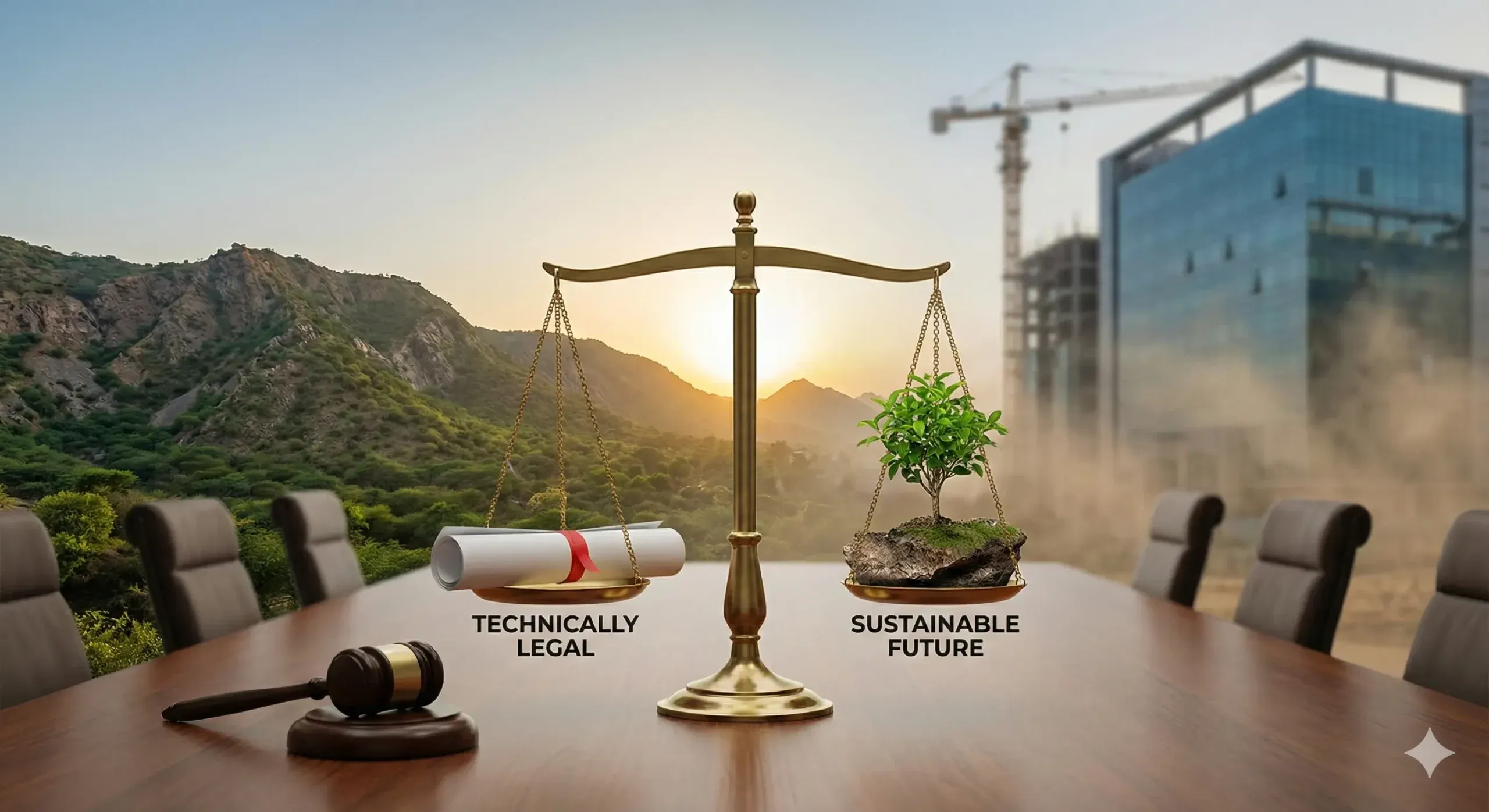
In Indian boardrooms, we often hear this phrase: "But Sir, we are compliant with the law." The Aravalli crisis showed us the danger of that thinking. For a moment, it looked like a technical change in the definition of "forest area" might allow companies to exploit the land. But the government’s intent—and the public’s mood—was different.
The Lesson: As a Director, don't just ask your legal team, "Is this allowed?"
Instead, ask: "Is this sustainable?"
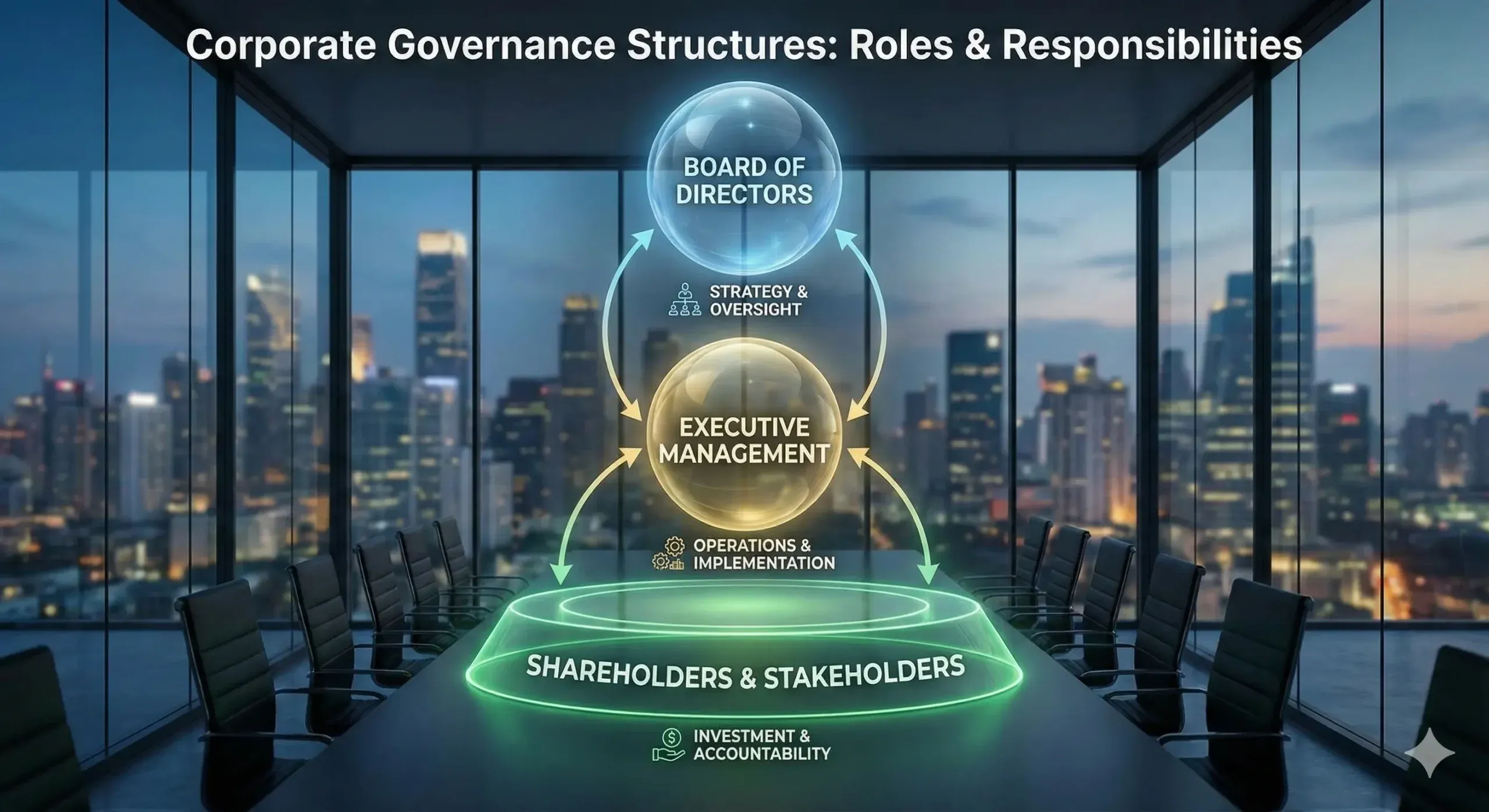
Regulations can change overnight to fix a loophole. If your business model relies on a technicality (like a specific definition of a hill), your ESG Compliance is weak. You are building your company on sand. True Governance means looking at the spirit of the law, not just the letter. For more on building a resilient board, read our guide on Corporate Governance Structures.
2. Social (S): Effective ESG Compliance Requires Community Trust
We used to think "Social" just meant doing some charity work or building a school in the village. That has changed. The "Social" part of ESG Compliance is now about your License to Operate. When the news broke about the Aravallis, ordinary citizens, Resident Welfare Associations (RWAs), and activists stood up. They were worried about their water and their air. The Lesson: You cannot separate your factory or office from the community around it. If your project threatens the local water table, no amount of government clearance will save your reputation. The public is awake. If you harm their environment, you lose their trust. And without trust, a brand cannot survive long in India. This aligns perfectly with our previous discussion on why CSR is vital for business survival.
3. Environment (E): Nature Ignores Paper ESG Compliance
This is the simplest truth. You can legally define a hill as "flat land" on paper, but nature doesn't care. If you destroy the catchment area, the water will run out. The Minister spoke about the "Aravalli Green Wall." He understands that without these hills, the desert will swallow Delhi-NCR. To understand the broader global framework of these environmental commitments, you can check this overview by the UN Environment Programme. The Lesson: Whether you are in IT, manufacturing, or banking, climate risk is a financial risk. Real ESG Compliance asks difficult questions:
- If you are a bank, are you lending to a project that might get shut down for environmental reasons?
- If you are a manufacturer, will you have water for your plant in 10 years?
💡 Probing Questions to strengthen ESG Compliance
You cannot fix what you do not find. Here are 3 specific questions to ask in your next board meeting to uncover hidden risks in your ESG Compliance framework:
- "Are we relying on a regulatory 'grey area' for any of our key projects?"
(Dig deeper: Ask if the project would still run if the strictest environmental rules were applied tomorrow.) - "Have we mapped the 'Social Cost' of our operations?"
(Dig deeper: Do we have data on local water levels or traffic jams caused by our trucks? What do the neighbors think of us?) - "What is our 'Plan B' if our primary natural resource becomes scarce?"
(Dig deeper: Push for a real plan, not just a vague promise.)
My Final Advice to You
Please do not treat ESG Compliance as a "burden." Treat it as your insurance policy. When you sit in your next board meeting or strategy session, remember the Aravalli example. The companies that will win in the next decade are not the ones who find the smartest legal loopholes. The winners will be the ones who understand that protecting nature is actually protecting the business. Let’s build companies that our children will be proud of. Read more on building ethical foundations in our article: Why Ethical Behavior is Essential in Business.